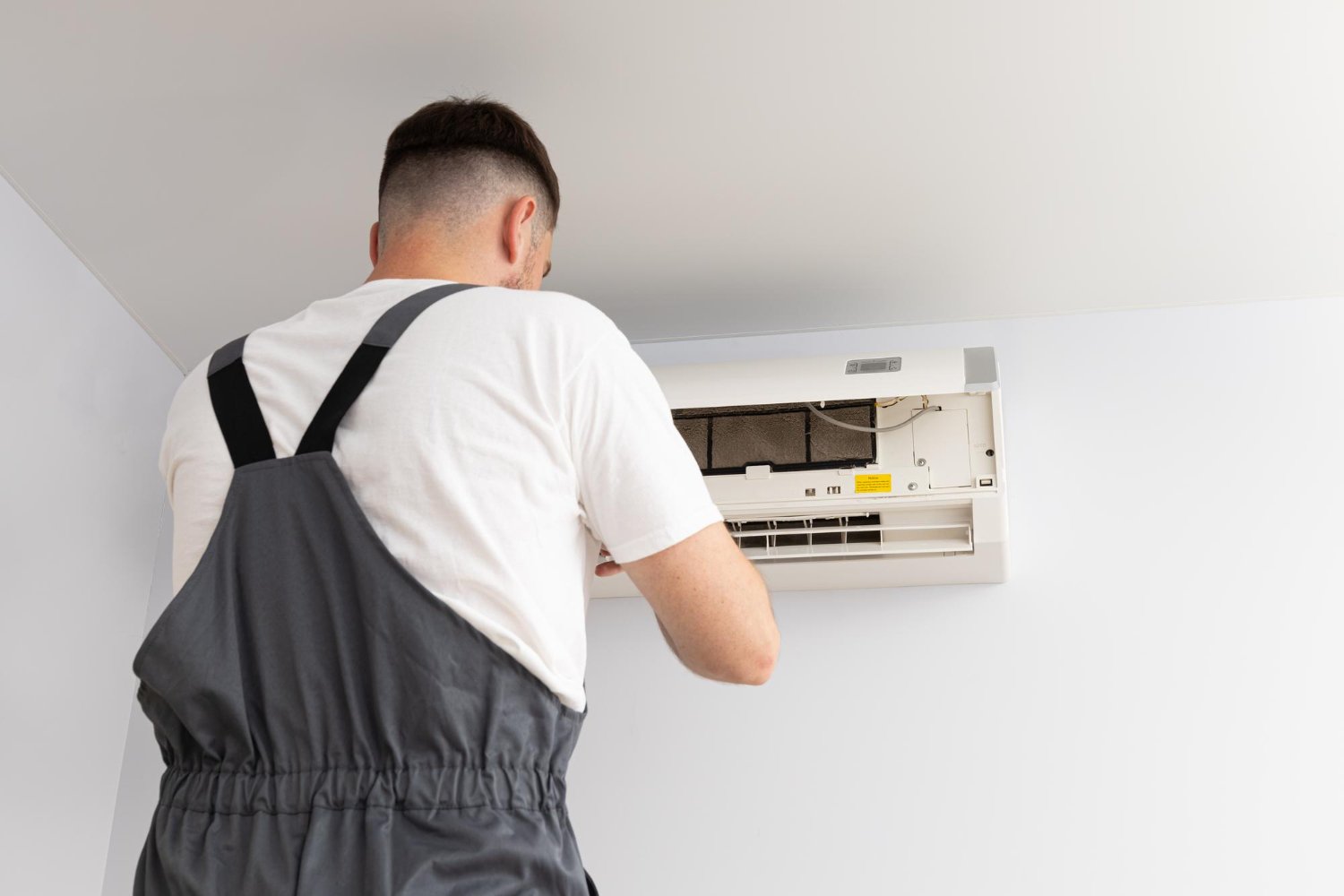


Summer days in the UK are getting warmer, and many homeowners wonder how to keep indoor temperatures comfortable without inflating energy bills. This guide delivers actionable insights into selecting the right air conditioning unit, estimating purchase and running costs, comparing energy efficiency ratings, understanding installation steps, and reaping the full benefits in health and comfort. You’ll explore four main AC types, price breakdowns, efficiency metrics like EER and SEER, dual heating options, and the professional installation process carried out by F-Gas accredited engineers.
What Are the Main Types of Air Conditioning Units for UK Homes?
Air conditioning systems for homes in the UK fall into four core categories—split, multi-split, portable and ducted—each offering distinct installation requirements, noise levels, and efficiency levels. Understanding these differences helps you match system performance to your space and budget, and lays the groundwork for comparing costs and energy ratings later.
D-Air, Types of Air Conditioning (2019)
Types of Air Conditioning Systems in the UK
Air conditioning systems in the UK are categorized into split, multi-split, portable, and ducted systems, each with distinct installation needs, noise levels, and efficiency. Split systems are popular for their quiet operation and room-by-room temperature control, while multi-split systems connect multiple indoor units to one outdoor compressor. Portable units offer flexibility but may have higher noise levels and lower efficiency compared to split systems.
What Is a Split Air Conditioning System and Why Is It Popular?
A split air conditioning system consists of an indoor unit that blows cooled air into a room and an outdoor unit housing the compressor and condenser. This configuration maximises noise reduction inside while delivering efficient temperature control.
- Quiet Operation: Locates compressor outdoors to minimise indoor decibels
- Energy Performance: Delivers high SEER ratings for lower running costs
- Room-by-Room Control: Adjusts temperature independently in each zone
These advantages make split systems a top choice for living rooms and bedrooms, setting the stage for larger multi-split installations where more zones require climate control.
How Do Multi-Split Air Conditioning Systems Work for Multiple Rooms?
Multi-split systems expand on split technology by connecting several indoor heads to one outdoor compressor, sharing refrigerant lines and controls. This design streamlines installation and maintenance across multiple rooms.
- Single Outdoor Footprint: Minimises external units to preserve aesthetics
- Individual Zone Settings: Enables distinct temperature control per room
- Shared Energy Draw: Delivers consistent compressor efficiency
By centralising the compressor, multi-splits reduce visual impact and simplify wiring, offering a natural progression from single-room comfort to whole-house zoning.
What Are the Pros and Cons of Portable Air Conditioning Units?
Portable air conditioners are freestanding, mobile units venting hot air via a flexible hose. They suit renters or small flats with minimal installation but carry trade-offs in noise and efficiency.
- No Installation: Operates immediately without professional fitting
- Mobility: Moves between rooms on castors for spot-cooling
- Higher Noise Levels: Contains compressor indoors, raising decibel output
- Lower Efficiency: Consumes more kWh per BTU than split systems
While convenient for short-term cooling, portable units often cost more to run, prompting many homeowners to upgrade to fixed installations for long-term savings.
When Is Ducted Air Conditioning Suitable for Residential Properties?
Ducted air conditioning hides ceiling-mounted units behind decorative grilles, distributing conditioned air through a network of ducts. This solution suits larger or open-plan homes seeking discreet, uniform airflow.
- Invisible Installation: Integrates into loft or ceiling cavities
- Whole-House Coverage: Connects multiple rooms with one central unit
- Complex Fitting: Requires duct planning and professional design
Ducted systems deliver seamless comfort throughout the home, preparing homeowners to weigh installation cost factors when budgeting for more extensive projects.
How Much Does an Air Conditioning Unit Cost in the UK?
What Are the Typical Unit Prices for Different AC Types?
Below is a summary of average purchase costs for residential air conditioning units in the UK:
| Product | Specification | Typical Price (£) |
|---|---|---|
| Split System | 9,000–12,000 BTU | 600 – 1,500 |
| Multi-Split System | 2–4 Heads | 1,800 – 3,500 |
| Portable Unit | 8,000 BTU | 250 – 500 |
| Ducted System | Whole-House Capacity | 3,000 – 6,000 |
What Factors Influence Professional Installation Costs?
- System Type and Size: Larger compressors and multiple heads require more labour
- Site Accessibility: Loft or roof access can increase scaffolding or lift expenses
- Electrical Upgrades: New circuitry or breakers add to material and labour costs
- Refrigerant Routing: Complex pipework runs can extend installation times
Awareness of these factors informs realistic installation budgets and highlights the importance of obtaining detailed quotes from F-Gas qualified engineers.
How Much Does It Cost to Run an Air Conditioning Unit in the UK?
Operating costs depend on kilowatt-hour (kWh) tariffs and system efficiency. A modern inverter split system rated SEER 6.0 drawing 1 kW of power can cost approximately £0.35 per hour at a 35p/kWh rate. Monthly running costs range from £20 to £60 in typical summer use, linking energy performance directly to household bills and driving the case for choosing high SEER or SCOP units.
Eaglereach Mechanical Ltd, How Much Does Air Conditioning Cost to Run in the UK? (2025)
Air Conditioning Running Costs in the UK
The cost to run an air conditioning unit in the UK varies, typically ranging from 20p to 50p per hour, depending on factors like the unit’s size, energy efficiency, and the type of system installed. For example, a 9,000 BTU split AC may cost around 22p per hour to run.
How Can UK Homeowners Choose Energy Efficient Air Conditioning Units?
What Do EER, SEER, and SCOP Ratings Mean for Homeowners?
Energy Efficiency Ratio (EER), Seasonal Energy Efficiency Ratio (SEER) and Seasonal Coefficient of Performance (SCOP) quantify cooling and heating performance respectively:
- EER: Instantaneous cooling efficiency (BTU/Watt)
- SEER: Seasonal average cooling efficiency over varied temperatures
- SCOP: Seasonal average heating efficiency in heat-pump mode
Higher SEER or SCOP ratings correspond to lower electricity consumption and more predictable running costs.
AAC, Energy Ratings Explained: Choosing an Efficient Air Conditioning Unit (2022)
Energy Efficiency Ratings for Air Conditioning Units
In the UK, energy efficiency is measured using the Energy Efficiency Ratio (EER) and Seasonal Energy Efficiency Ratio (SEER). Higher SEER or EER ratings indicate lower electricity consumption and more predictable running costs.
How Does Inverter Technology Improve Energy Efficiency?
Inverter compressors adjust motor speed continuously to match cooling demand rather than switching fully on and off. This delivers three key benefits:
- Stable Temperatures – Reduces temperature swings
- Lower Peak Draw – Minimises startup power spikes
- Extended Equipment Life – Avoids repetitive on/off cycling
By modulating output, inverter technology cuts energy use by up to 30% compared with fixed-speed compressors.
Which Air Conditioning Brands Offer the Best Energy Efficiency?
Leading brands combine advanced heat-pump designs with inverter drives and refined airflow management:
- Daikin – SEER up to 8.5, whisper-quiet panels
- Mitsubishi Electric – SCOP above 5.0, smart-control integration
- Samsung – A+++ rated models with digital inverter Boost
These manufacturers consistently top efficiency tables, helping homeowners achieve the lowest running costs and strongest performance guarantees.
What Are the Benefits of Installing Air Conditioning Units in UK Homes?
How Does Air Conditioning Improve Indoor Air Quality and Health?
Air conditioning units incorporate multi-stage filters that:
- Trap Dust and Allergens – Reduces pollen and pet dander circulation
- Remove Pollutants – Captures fine particulate matter (PM2.5)
- Maintain Humidity – Balances moisture to prevent mould growth
Climate Environmental, What are the Advantages of Air Conditioning? (2024)
Health Benefits of Air Conditioning
Air conditioning can improve indoor air quality by filtering out pollutants and allergens, which is particularly beneficial for individuals with allergies or respiratory conditions. Furthermore, air conditioning can also help to regulate humidity levels, which can prevent the growth of mould and mildew.
Can Air Conditioning Units Provide Heating as Well as Cooling?
Yes, most split and multi-split systems function as reversible heat pumps. They extract ambient heat from outside air and transfer it indoors during winter, offering:
- Dual-Season Use – Replaces separate heating systems in mild climates
- High CoP Values – Up to three times more efficient than electric radiators
- Smart Scheduling – Maintains comfort while minimising run times
How Does Air Conditioning Enhance Comfort and Sleep Quality?
Precise temperature control and reduced humidity create an optimal sleep environment. Key comfort-enhancing features include:
- Night Mode – Lowers fan speed and noise to under 20 dB
- Temperature Stability – Avoids overheating or chilling over night
- Airflow Direction Control – Prevents direct drafts on occupants
What Is the Typical Air Conditioning Installation Process in the UK?
A professional installation follows three main stages—from survey to commissioning—to ensure safe, compliant and efficient operation.
What Happens During the Initial Site Survey and Consultation?
- Assess room dimensions and insulation levels
- Identify optimal indoor and outdoor unit locations
- Review electrical supply and plan refrigerant routing
This planning phase lays the foundation for accurate quotations and a smooth installation.
How Are Units Professionally Installed and Commissioned?
- Mount Indoor and Outdoor Units – Secure brackets and ensure correct slope
- Run Refrigerant and Drainage Pipes – Insulate and connect in straight, accessible runs
- Wire Electrical and Controls – Install dedicated circuit and link thermostats
- Pressure Test and Charge System – Evacuate moisture, top up refrigerant to specification
- Performance Check and Handover – Verify temperature drop and demonstrate controls
Careful commissioning guarantees peak efficiency and reliable operation.
Why Is Installation by F-Gas Accredited Engineers Important?
F-Gas accreditation ensures technicians hold a recognised qualification for handling refrigerants safely. Key benefits include:
- Regulatory Compliance – Meets UK and EU refrigerant regulations
- Leak Prevention – Reduces environmental impact of HFC gases
- Quality Assurance – Guarantees correct system commissioning and certification
VIVA Training, Introduction to F-Gas Certification and What You Need To Know (2024)
F-Gas Certification Requirements in the UK
In the UK, F-Gas certification is a legal requirement for engineers working with refrigerants in air conditioning and refrigeration systems. This certification ensures that technicians are qualified to handle refrigerants safely and in compliance with environmental regulations.
Installing an appropriately sized, efficient air conditioning solution transforms home comfort, improves air quality and lowers seasonal energy costs. By comparing unit types, costs, ratings and professional services, UK homeowners can make informed choices that deliver year-round performance. For a tailored recommendation and expert installation by F-Gas accredited engineers, contact Tempest AC today to secure a free quotation and complete peace of mind.