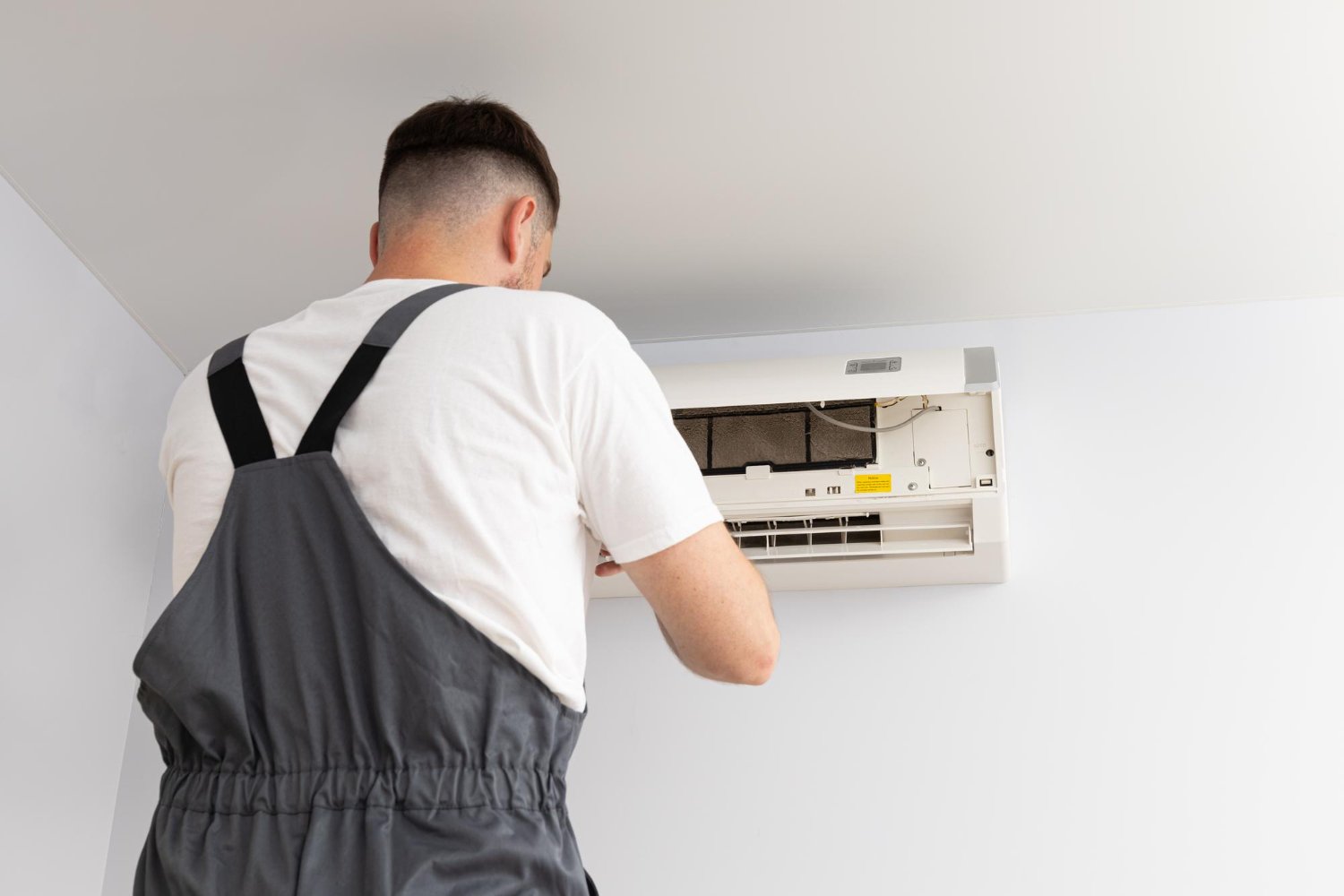

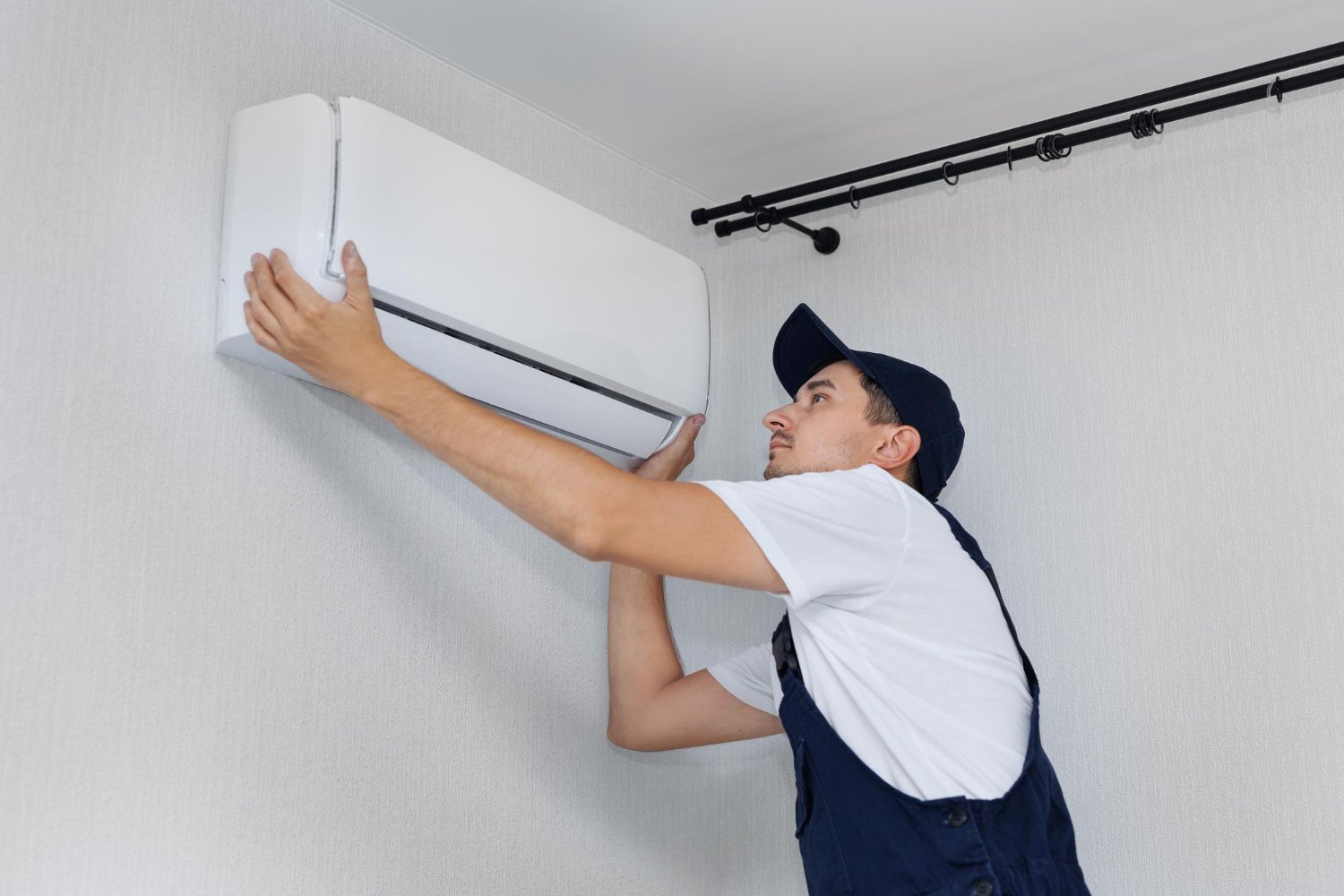
Rising summer temperatures push UK homeowners to invest in efficient air conditioning solutions to enhance comfort, control humidity and reduce energy bills. This guide delivers transparent cost breakdowns, unit comparisons, maintenance essentials and heat pump insights so you can make informed decisions without guesswork. We begin by examining typical installation costs, then explore the pros and cons of split, multi-split, ducted, portable and heat pump systems. Next, you’ll discover how to choose the right brand and features, maintain reliable performance, and leverage government grants for air source heat pumps. By the end, you’ll have actionable knowledge to plan, install and service air conditioning with confidence.
What Are the Typical Air Conditioning Installation Costs in the UK?
Typical air conditioning installation costs in the UK combine equipment prices, skilled labour and site preparation to deliver reliable climate control and long-term savings. Understanding these elements helps homeowners budget accurately and compare quotes effectively.
How Much Does Installing a Split System Air Conditioner Cost?
Split systems are the most common domestic choice, offering targeted cooling with compact indoor and outdoor units. Below is a comparison of typical ranges:
| System Size (BTU/h) | Equipment & Parts (£) | Labour & Commissioning (£) |
|---|---|---|
| 9,000 BTU/h | 600–900 | 600–800 |
| 12,000 BTU/h | 750–1,100 | 650–850 |
| 18,000 BTU/h | 1,100–1,500 | 750–950 |
These ranges enable homeowners to plan for both equipment investment and professional installation, ensuring optimal energy efficiency and performance.
What Are the Costs for Multi-Split and Ducted System Installations?
Multi-split and ducted systems extend comfort across multiple rooms through shared outdoor compressors or concealed ductwork.
| System Type | Average Equipment (£) | Typical Installation (£) |
|---|---|---|
| Multi-split (2–4 heads) | 2,000–3,500 | 1,200–2,000 |
| Full-home Ducted | 4,000–7,000 | 2,000–3,500 |
Selecting between multi-split and ducted depends on property layout and aesthetic preferences, balancing upfront cost against whole-home comfort.
How Does Installation Complexity Affect Pricing?
- Property access and layout dictate pipe runs and wall penetrations.
- Wall construction and height affect mounting difficulty.
- Electrical upgrades or additional wiring extend project scope.
Each factor alters installation duration and component needs, reinforcing the value of a detailed site survey before quoting.
What Savings Come from 0% VAT on Domestic Installations?
Domestic air conditioning installations qualifying under UK regulations benefit from 0% VAT, reducing total cost by up to 20%. This relief applies to supply and fitting of units in residential homes, encouraging homeowners to invest in energy-efficient climate control without added tax burden.
Which Types of Air Conditioning Units Are Best for UK Homes?
Air conditioning units vary in design, application and efficiency to meet diverse homeowner needs, from single-room cooling to whole-home climate management. Understanding each type’s mechanism and comfort benefits primes you for the right choice.
What Are the Benefits of Split and Multi-Split Air Conditioning Systems?
Owners favour split and multi-split systems for:
- Precise zone control that targets individual rooms.
- High energy efficiency through variable-speed compressors.
- Quiet indoor operation with mounting flexibility.
How Do Ducted Systems Compare for Whole-Home Cooling?
| Characteristic | Ducted System | Impact for Homeowner |
|---|---|---|
| Coverage | Entire property | Uniform comfort |
| Installation | Complex ductwork | Higher cost and disruption |
| Aesthetics | Concealed units | Minimal visual impact |
Whole-home ducted systems integrate seamlessly into interiors, offering unobtrusive climate management at a premium installation price.
When Are Portable Air Conditioners a Practical Choice?
Portable units offer mobility and plug-and-play convenience with simple window kits. They are best for:
- Short-term cooling needs in rented properties.
- Supplementing existing systems during peak usage.
- Room-by-room flexibility without permanent installation.
While less efficient than fixed systems, portability makes them practical for temporary or low-budget scenarios.
What Are the Advantages of Air Source Heat Pumps for Heating and Cooling?
Air source heat pumps provide both heating and cooling by transferring heat between indoor and outdoor coils. They deliver:
- Year-round climate control with a single system.
- High Coefficient of Performance (COP) for significant energy savings.
- Reduced carbon footprint compared to combustion heating.
This dual-function mechanism supports sustainable comfort and aligns with UK net-zero ambitions.
How Can Homeowners Choose the Best Air Conditioning Units in the UK?
Selecting the ideal air conditioning system involves evaluating brand reliability, efficiency metrics and feature sets to ensure lasting comfort and value.
What Are the Top Brands for Home Air Conditioning?
Leading manufacturers combine innovation and support:
- Daikin: Renowned for high SEER ratings, quiet operation and robust warranties.
- Mitsubishi Electric: Offers advanced variable-speed technology and smart controls.
- Fujitsu: Balances cost-effectiveness with reliable performance.
Partnering with accredited installers ensures optimum configuration and service.
How Do Energy Efficiency Ratings Impact Unit Performance and Costs?
SEER, EER and COP ratings quantify seasonal and instantaneous efficiency.
Higher ratings translate to lower running costs and reduced environmental impact. Investing in units with superior efficiency ratings yields measurable savings over the system’s lifespan.
What Features Should You Look for in a Home Air Conditioning System?
Focus on attributes that enhance comfort and usability:
- Low-noise operation for undisturbed living spaces.
- Smart thermostat integration for remote scheduling.
- Extended warranties and maintenance plans for peace of mind.
- Multi-zone capability to balance flexibility with installation cost.
These features combine to improve indoor air quality and user experience.
What Should You Know About Air Conditioning Repair and Maintenance Services?
Regular maintenance and prompt repair keep air conditioning systems operating at peak performance and extend their service life.
What Are Common Air Conditioning Problems and How Are They Repaired?
Homeowners encounter:
- Refrigerant leaks repaired through leak detection and top-up.
- Blocked condensate drains cleared to prevent water damage.
- Electrical faults resolved by certified technicians replacing fuses or controls.
Timely professional intervention restores efficiency and avoids costly breakdowns.
How Often Should You Schedule Air Conditioning Maintenance?
Annual servicing by F-Gas accredited engineers is recommended to:
- Inspect refrigerant levels and system pressures.
- Clean filters, coils and condensers.
- Test safety controls and electrical connections.
Regular maintenance reduces energy consumption and downtime.
What Are the Costs and Processes for Refrigerant Top-Ups and Leak Detection?
Refrigerant servicing combines leak investigation with precise refrigerant charging. Typical costs range from £80 to £200 depending on refrigerant type and leak complexity. Accurate diagnosis and repair ensure safe, efficient operation.
How Does Air Source Heat Pump Installation Work and What Are the Benefits?
Air source heat pump installation relies on careful site assessment, system sizing and professional commissioning to deliver efficient heating and cooling.
What Is the Installation Process for Air Source Heat Pumps in UK Homes?
Homeowners can expect these steps:
- Initial survey to assess property heat demand.
- Equipment selection and planning consent if required.
- Outdoor unit siting for optimal airflow.
- Connection of refrigerant lines, electrical wiring and controls.
- System commissioning, testing and handover.
Thorough commissioning guarantees maximum COP and reliability.
How Do Government Grants Like the Boiler Upgrade Scheme Support Installation?
The Boiler Upgrade Scheme provides up to £7,500 towards air source heat pump installations for eligible domestic properties. This grant reduces capital outlay and accelerates return on investment.
What Energy Savings and Environmental Benefits Do Heat Pumps Offer?
Air source heat pumps can deliver up to three times more heat energy than the electricity they consume. This efficiency lowers carbon emissions and heating costs, supporting both environmental targets and homeowner budgets.
Tempest AC’s accredited engineers guide you through every step—from site survey and system design to installation, maintenance and grant support—ensuring seamless, energy-efficient comfort for your home. Experience reliable cooling, year-round heating and peace of mind backed by expert service and robust warranties. Request your free site survey today and take the first step toward an optimized indoor climate.