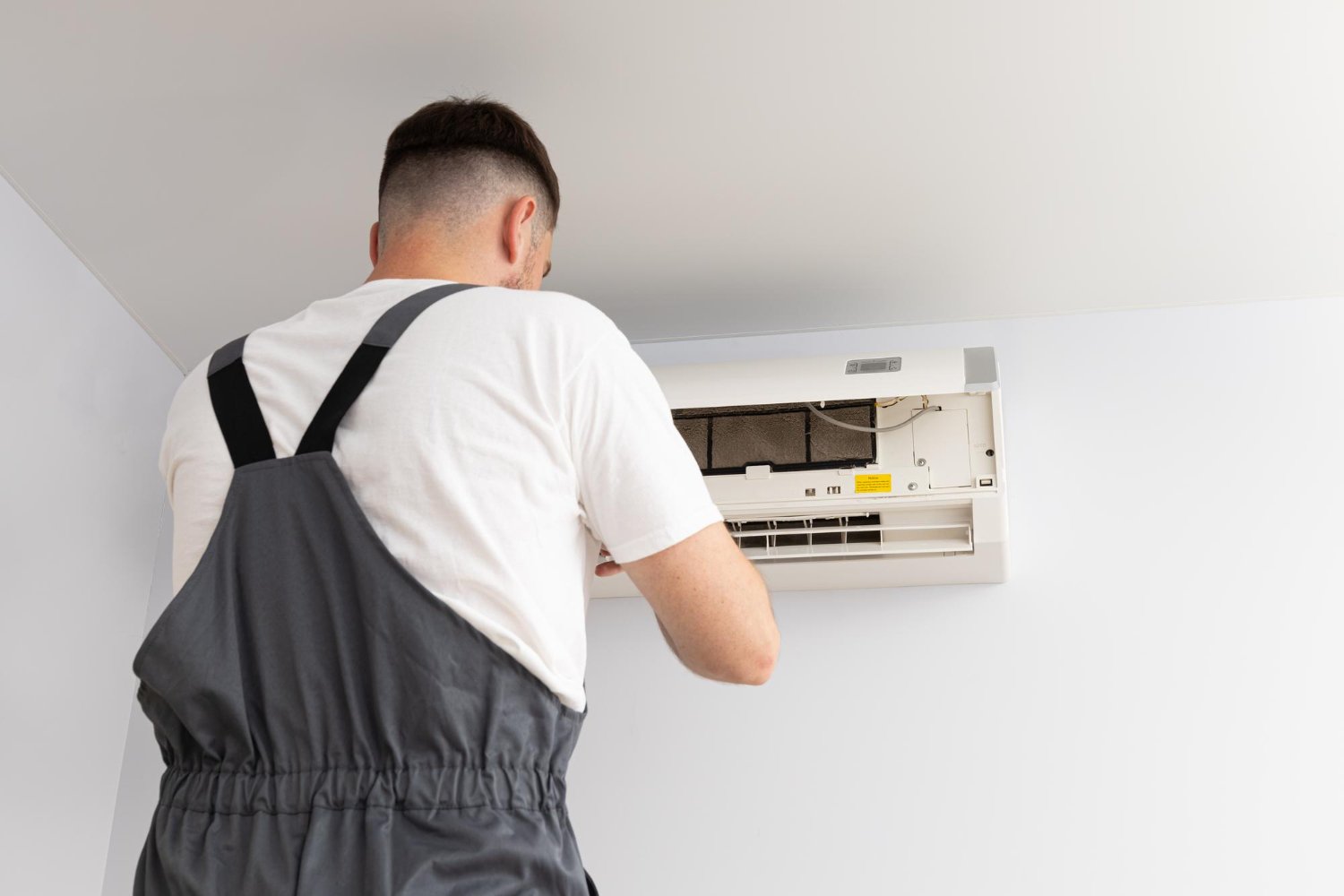


Rising summer temperatures have made reliable air conditioning a necessity for UK homeowners seeking consistent comfort and energy efficiency. This guide on Air Conditioning Installation Cost UK and Home AC Solutions for Efficient Comfort details typical installation fees, unit selection criteria, maintenance essentials and legal considerations to help you plan an optimal home cooling system. You will learn how costs are calculated, choose between split, ducted, portable or heat pump systems, find trusted repair services, maximise energy savings and comply with UK regulations—all while discovering how Tempest AC’s expertise supports seamless installations and lasting performance.
What Are the Typical Air Conditioning Installation Costs in the UK?
Air conditioning installation cost refers to the total expense of fitting home cooling equipment, driven by unit price, labour rates and site complexity. Understanding how each factor influences overall fees supports informed budgeting and avoids surprise charges. For example, fitting a 12,000 BTU split system with professional commissioning often ranges from £1,000 to £1,500, ensuring efficient temperature control.
Three main factors determine installation cost:
- Unit specification and cooling capacity directly influence equipment pricing.
- Labour rates determine installation cost based on time and technician expertise.
- Site preparation and electrical modifications add to material and access expenses.
These components set the stage for a deeper look at how each cost element is calculated in practice.
How Is the Cost of Home Air Conditioning Installation Calculated?
Cost calculation combines unit price with labour, materials, commissioning and electrical modifications. Labour rates influence installation cost. Unit price covers the manufacturer’s fee, while additional wiring or plumbing work adds to the total. Accurate commissioning and testing ensure peak performance and validate the final investment.
This detailed breakdown highlights cost drivers and leads into the role of different unit types in shaping final expenses.
Which Types of Home Air Conditioning Units Affect Installation Costs?
Different home air conditioning systems influence installation cost through their design complexity, installation requirements and component quality. Split systems require wall-mounted brackets and piping, while ducted systems need extensive ductwork that increases labour. Portable units often eliminate complex installation but may incur higher running expenses.
Understanding these distinctions helps homeowners weigh options before exploring available grants and funding.
Are There Any Grants or Funding Available for Heat Pump Installation?
UK homeowners can access government incentives such as the Boiler Upgrade Scheme to offset the cost of installing air source heat pumps. The scheme offers up to £7,500 per eligible installation and supports low-carbon heating choices. Homeowners installing an A+++ energy-rated heat pump often see grants cover a substantial portion of upfront equipment costs.
Leveraging these grants can significantly reduce upfront investment and pave the way to selecting the best AC solution.
How Do I Choose the Right Home Air Conditioning Unit for My UK Property?
Selecting the right home air conditioning unit involves matching system capacity, property layout and energy goals to ensure efficient performance and comfort. A well-sized system maintains steady temperatures, minimises wasted energy and enhances indoor air quality.
| Unit Type | Ideal Application | Key Consideration |
|---|---|---|
| Split System | Single-room cooling | Professional piping and wall mounting needed |
| Ducted System | Whole-house integration | Requires ductwork installation space |
| Portable Unit | Temporary or small spaces | Lower efficiency and higher running noise |
| Mini-Split System | Flexible zoning | Inverter compressor boosts energy performance |
What Are the Differences Between Split, Ducted, and Portable AC Units?
Split systems feature an indoor and outdoor unit connected by refrigerant piping, offering quiet, efficient room-by-room control. Ducted systems hide components in ceilings or walls, delivering whole-house climate management. Portable units require no permanent installation but may produce more noise and less efficient cooling.
These core contrasts inform the next step of matching BTU ratings to room size.
How Do BTU Ratings Influence AC Unit Size and Performance?
BTU (British Thermal Unit) ratings measure cooling capacity; higher BTU ratings deliver more cooling power for larger spaces. Undersized units struggle to maintain temperature, while oversized systems cycle too frequently and reduce efficiency. Accurate BTU matching supports consistent comfort and cost savings.
Sizing clarity leads naturally into considering dual-function heat pumps for heating and cooling.
What Are the Benefits of Air Source Heat Pumps for Heating and Cooling?
Air source heat pumps provide dual heating and cooling, reduce energy consumption compared with gas boilers and unlock government grants.
- They deliver year-round comfort by extracting or rejecting heat via refrigerant cycles.
- High energy efficiency often earns A+++ ratings, translating into lower electricity bills.
- Grant eligibility through programmes like the Boiler Upgrade Scheme minimises upfront costs.
These advantages make air source heat pumps an appealing choice for UK homes seeking year-round climate control.
How Can I Find Reliable Air Conditioning Repair and Maintenance Services Near Me?
Reliable air conditioning repair and maintenance ensures consistent cooling performance and prolongs system lifespan through regular inspections and prompt fault resolution. A qualified service provider safeguards performance, meets legal regulations and supports warranty compliance.
Key criteria for selecting a service:
- Engineers with F-Gas certification and industry accreditation.
- Comprehensive service guarantees covering labour and parts.
- Transparent service plans detailing tasks and recommended intervals.
Meeting these criteria directs you to ask about common faults and fixes.
What Are Common Air Conditioning Problems and How Are They Fixed?
Refrigerant leaks reduce cooling output and require leak detection, gas top-up and seal repairs. Electrical faults such as capacitor failures interrupt compressor operation and are resolved by component replacement. Blocked condensate drains cause water damage and are cleared through professional cleaning.
Recognising frequent malfunctions sets the stage for understanding why regular upkeep is vital.
Why Is Regular AC Maintenance Important for UK Homes?
Regular AC maintenance prevents unexpected breakdowns, improves energy efficiency and ensures compliance with F-Gas regulations. Routine filter cleaning, coil inspection and performance testing support reliable operation and extend system lifespan, reducing long-term costs.
Knowing these benefits encourages homeowners to adhere to servicing schedules.
What Should I Expect from an Air Conditioning Servicing Checklist?
A thorough servicing checklist includes cleaning or replacing air filters, inspecting coils for corrosion, testing refrigerant levels, verifying thermostat accuracy and assessing overall airflow. Each task supports optimal system performance and prevents minor issues from escalating.
A structured checklist ensures each component receives attention and ensures optimal AC efficiency.
What Are the Benefits of Energy Efficient Air Conditioning Systems in the UK?
Energy efficient air conditioning systems reduce electricity consumption, lower running costs and lessen environmental impact by using advanced compressors and eco-friendly refrigerants. Investing in high-efficiency units boosts comfort and supports long-term savings.
| Energy Rating | Relative Efficiency | Approximate Savings |
|---|---|---|
| A+++ | Highest | Up to 40% compared to A+ units |
| A++ | Premium | Up to 30% compared to A+ units |
| A+ | Standard | Baseline performance and savings |
How Do Energy Ratings Like A+++ Impact Running Costs?
Units with A+++ ratings operate with minimal energy loss, delivering up to 40% savings on electricity bills compared to standard models. High efficiency lowers peak demand, reduces carbon emissions and complements net-zero objectives for UK homes.
This impact primes the topic of connected, smart controls.
Can Smart Air Conditioning Systems Improve Home Climate Control?
Smart air conditioning systems enhance comfort by adapting temperature and fan speed in response to occupancy, humidity and external conditions. Mobile app integration and voice control enable remote adjustments, while scheduling features optimise energy use.
Advanced automation fosters seamless climate management and data-driven efficiency.
How Does Air Conditioning Improve Indoor Air Quality and Comfort?
Modern AC units filter allergens, pollen and dust, reduce humidity and circulate fresh air to create healthier indoor environments. Improved air quality alleviates respiratory issues, promotes better sleep and enhances overall wellbeing.
This health-focused benefit underscores the broader value of efficient cooling solutions.
What Are the Running Costs and Legal Considerations for Home Air Conditioning in the UK?
Running costs and legal considerations for home air conditioning encompass energy expenses, service obligations and planning requirements to ensure compliant and cost-effective operation. Accurate budgeting and regulatory awareness support responsible installation and use.
Key considerations include:
- Estimated energy tariffs and seasonal consumption patterns.
- Mandatory servicing intervals under F-Gas regulations.
- Local planning permissions for outdoor unit placement.
These points frame a deeper exploration of expenses, requirements and permissions.
How Much Does It Cost to Run Different Types of AC Units?
Running a split system typically adds £100–£200 per season in energy costs, while ducted systems may incur £200–£300 due to higher airflow demands. Portable units often cost more per kWh because of lower efficiency, whereas inverter-driven mini-splits deliver savings through variable speed operation.
Understanding these ps clarifies long-term budgeting for each system type.
Is Air Conditioning Servicing a Legal Requirement in the UK?
Yes, UK regulations require regular servicing of systems containing certain refrigerants under F-Gas rules. Certified technicians must inspect and maintain equipment annually or bi-annually, depending on refrigerant volume, to prevent emissions and ensure safe operation.
Compliance with these mandates protects the environment and maintains warranty coverage.
What Planning Permissions Are Needed for Installing AC Systems at Home?
Most small-scale installations fall under permitted development, allowing outdoor units to be sited without formal planning permission. Restrictions apply if the unit faces a highway or is in a conservation area. Verifying local council guidelines avoids delays and potential enforcement.
Being aware of these requirements paves the way for a smooth installation process.
Efficient air conditioning installation and maintenance transform UK homes into comfortable, healthy living environments while controlling long-term costs. By understanding installation fees, system selection, servicing obligations and energy efficiency, homeowners can make informed decisions that boost comfort and property value. Tempest AC combines expert installation, tailored unit recommendations and ongoing maintenance support to deliver reliable year-round climate control. Contact Tempest AC today to explore cost-effective, energy-efficient AC solutions for your home.