

Modern air conditioning units transform UK homes by delivering precise temperature control, boosting comfort and energy efficiency year-round. This guide explores the different types of air conditioning systems, outlines the installation process, compares running costs, examines benefits for health and property value, and highlights top models for homeowners. Whether you’re considering a wall-mounted split, portable unit or a whole-home ducted solution, you’ll discover how Tempest AC’s expert installation and energy-efficient services can support your climate control needs while maximising savings and indoor air quality.
What Are the Different Types of Air Conditioning Units for Homes?
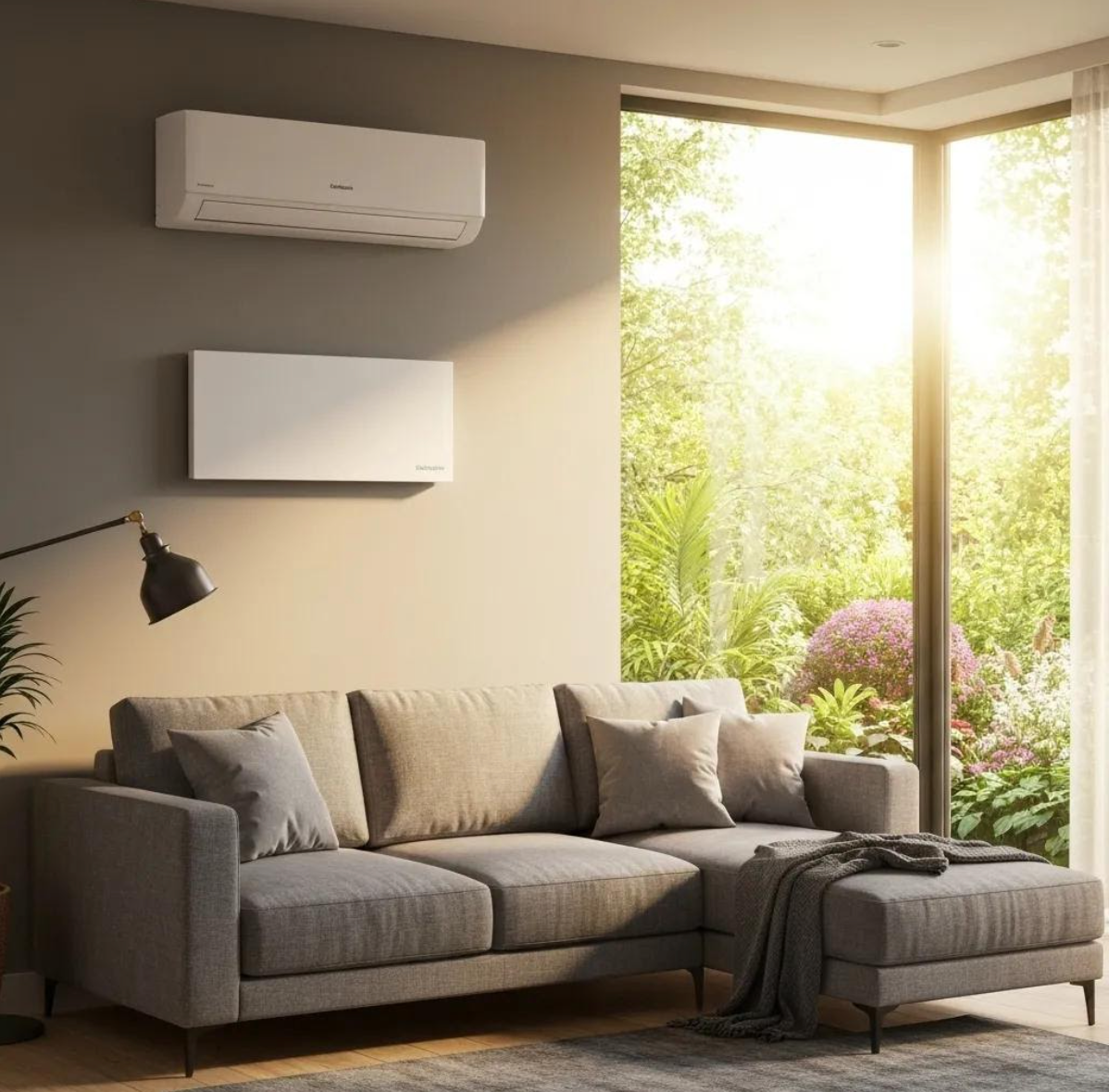
An air conditioning unit is a climate control system that cools or heats indoor spaces by circulating refrigerant through matched indoor and outdoor components. This mechanism delivers targeted cooling, and in some models reverse-cycles to provide heating, ensuring comfort throughout the year. For example, a living-room split system often combines high efficiency with stylish design to suit modern homes.
Homeowners commonly choose from four configurations:
- Wall-mounted split systems deliver efficient, whisper-quiet cooling with minimal visual impact.
- Portable air conditioners require no permanent installation and offer flexible cooling wherever needed.
- Multi-split or ducted systems distribute climate control across multiple rooms from a single outdoor compressor.
- Hybrid and smart AC systems integrate heat pump technology and intelligent controls for future-proof performance.
| Unit Type | Key Feature | Ideal Use |
|---|---|---|
| Wall-Mounted Split System | High SEER rating, low noise | Single rooms with discreet installation |
| Portable Air Conditioner | No fixed installation, mobility | Flats, temporary cooling needs |
| Multi-Split/Ducted System | Zoned control, whole-home coverage | Luxury or large properties |
| Hybrid/Smart AC | Adaptive heat pump, Wi-Fi control | Tech-savvy homes seeking efficiency |
These configurations compare core attributes, guiding the next step of installation and setup in UK homes.
What Are Wall-Mounted Split System Air Conditioners and Their Benefits?
A wall-mounted split system combines an indoor evaporator with an external condenser to deliver efficient cooling and heating. This refrigerant-cycle mechanism promotes energy savings and quiet operation, making it a popular choice for bedrooms and living areas.
- Energy Efficiency – A+++ ratings minimise electricity use.
- Aesthetic Appeal – Slim design integrates with décor.
- Zoned Comfort – Individual room temperature control.
These advantages make split systems an ideal baseline for homeowners seeking reliability and low operating costs, leading naturally to alternatives like portable units.
How Do Portable Air Conditioners Offer Flexibility for Home Cooling?
A portable air conditioner is a self-contained unit that expels warm air through an exhaust hose, eliminating the need for permanent installation. This design supports instant deployment and relocation between rooms without structural alterations.
- Ease of Use – Plug-and-play operation with simple venting.
- Flexibility – Move between bedrooms, offices, or rental properties.
- Limitations – Lower cooling capacity and higher noise than split systems.
While portability ensures rapid relief during heatwaves, homeowners often balance that convenience against capacity constraints when planning permanent installations.
What Are Multi-Split and Ducted Air Conditioning Systems?
Multi-split and ducted systems harness a single outdoor compressor to feed multiple indoor units or concealed duct networks. This configuration distributes conditioned air to distinct zones, supporting tailored comfort across the home.
- Zoned Temperature Control – Independent room settings.
- Concealed Installation – Minimal visible hardware with discreet vents.
- Comprehensive Coverage – Whole-home heating and cooling from one system.
Such solutions excel in large residences or period properties where integrated ductwork or multiple wall-mounts deliver seamless climate management.
How Do Hybrid and Smart AC Systems Enhance Home Climate Control?
Hybrid and smart air conditioning units combine heat pump technology with intelligent sensors, allowing dynamic switching between electric cooling and efficient heating. Advanced controls, mobile apps and occupancy detection optimise performance based on usage patterns.
- Adaptive Efficiency – Automatically selects the most cost-effective energy source.
- Remote Management – Wi-Fi connectivity for temperature scheduling.
- Predictive Maintenance – Alerts for filter cleaning and service intervals.
These innovations future-proof homes against rising energy costs and evolving sustainability standards, bridging today’s comfort with tomorrow’s smart living.
How Does Home Air Conditioning Installation Work in the UK?
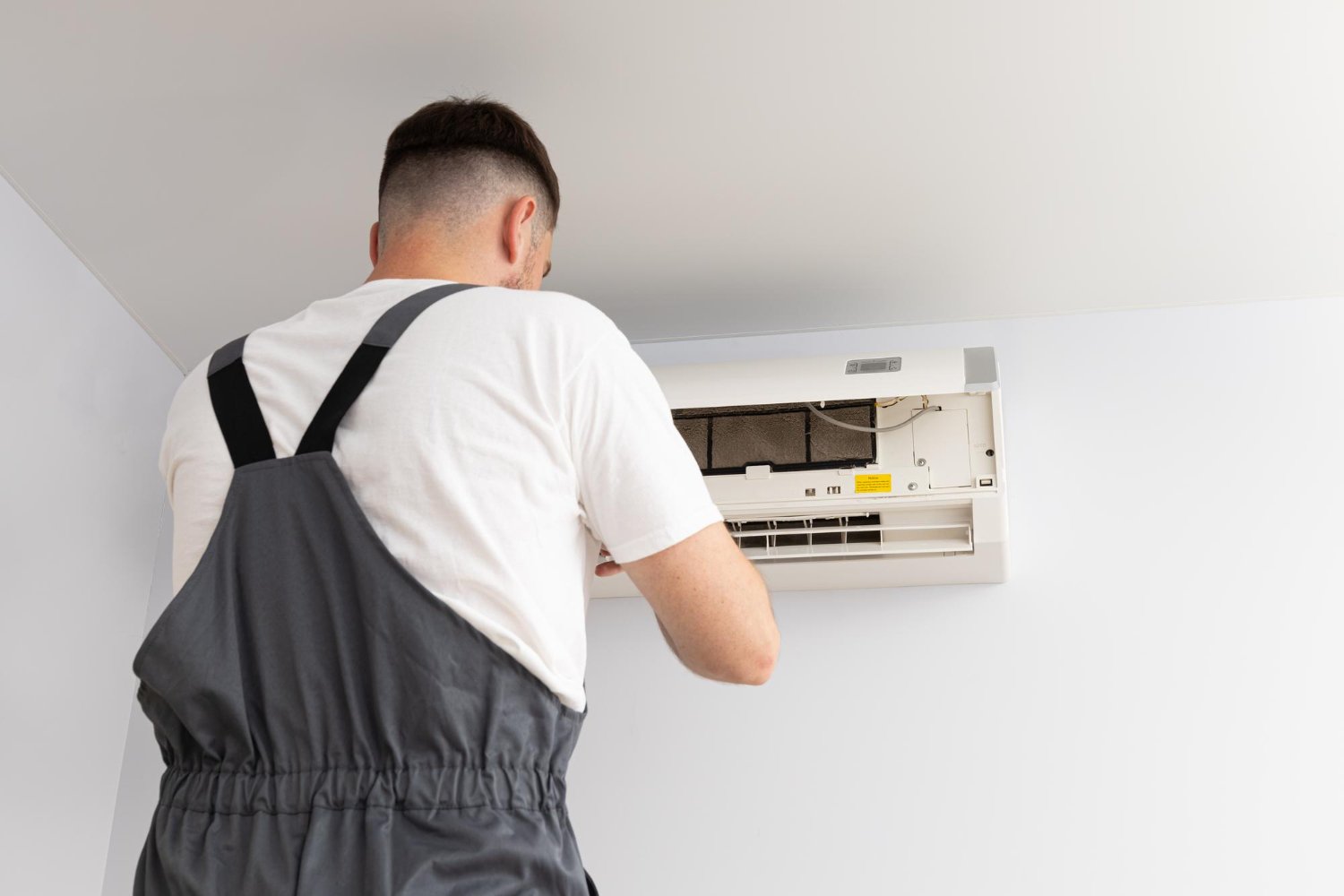
Air conditioning installation in the UK involves planning, mounting equipment, connecting refrigerant lines and commissioning the system to meet building regulations and performance standards. Proper installation ensures peak efficiency, safety and longevity. A typical project spans design to handover in one to two days, depending on property size.
What Is the Typical Air Conditioning Installation Process?
- Conduct a free on-site survey to assess layout and load requirements.
- Design a bespoke solution specifying unit locations and pipe runs.
- Install indoor and outdoor components, mount brackets and run refrigerant lines.
- Evacuate air, charge the system with refrigerant and perform leak tests.
- Commission controls, demonstrate operation and hand over documentation.
How Much Does Air Conditioning Installation Cost in the UK?
| System Type | Average Cost (£) | Coverage |
|---|---|---|
| Single Split System | 1,500–2,500 | One room |
| Multi-Split System | 3,500–5,000 | Two to four rooms |
| Ducted Whole-Home System | 5,000–8,000 | Full property |
These ps guide budgeting and help homeowners choose a solution that aligns with their comfort requirements and investment plans.
What Qualifications Should You Look for in an AC Installer?
Genuine expertise requires certified professionals who hold:
- F-Gas certification for safe refrigerant handling.
- Manufacturer training for warranty compliance.
- Electrical accreditation (e.g., NICEIC) for wiring safety.
- Proven experience with residential installations.
Opting for qualified engineers ensures compliant installations, preserves warranties and maximises system longevity.
Are There UK Regulations or Planning Permissions for AC Installation?
UK regulations govern installation to protect energy efficiency and neighbourhood amenity:
- F-Gas Regulations – Certified handling of fluorinated gases.
- Noise Limits – External units must meet local decibel thresholds.
- Planning Permission – Required for listed buildings or conservation areas.
- Building Regulations – Compliance with Part L (energy conservation).
Air Conditioning Building Regulations, Do You Need Planning Permission for Air Conditioning? Understanding UK Regulations, What Are the Rules for Air Conditioners in the UK?, Do I Need the Council’s Approval to Install Air Conditioning? A Guide (2024-2025)
UK Regulations for Air Conditioning
In the UK, there are no specific Building Regulations for domestic air conditioning systems, but any electrical work must comply with British safety standards. Planning permission is generally not required for small units, but may be needed for larger systems or in protected areas.
Understanding these requirements prior to installation prevents costly delays and ensures regulatory compliance.
Which Energy Efficient Air Conditioning Units Save You Money?
Energy-efficient air conditioning units reduce running costs by maximising cooling output per unit of electricity through high EER and SEER ratings. Investing in an A+++ model or a heat pump can deliver substantial bill savings and lower carbon impact over time.
What Do Energy Ratings Like EER, SEER, and A+++ Mean for AC Units?
Energy ratings quantify performance: EER measures instantaneous cooling efficiency, SEER reflects seasonal performance, and A+++ signifies top-tier efficiency under standard tests.
| Rating | Definition | Savings Impact |
|---|---|---|
| EER | Cooling output (BTU) ÷ power input (W) | Lower peak consumption |
| SEER | Seasonal cooling output ÷ seasonal energy use | Reduced annual running costs |
| A+++ Energy | Highest efficiency class under EU standard | Up to 30% savings compared to A |
How Efficient is Air Conditioning for Heating in the UK?, How Energy Efficient is Air Conditioning?, Understanding Energy Efficiency Rate in Air Conditioners, A Guide to Energy Efficient AC (2024)
Energy Efficiency in Air Conditioners
Energy efficiency is crucial when selecting an air conditioning unit, with higher EER and SEER ratings indicating better performance and lower running costs. Investing in an A+++ model or a heat pump can lead to significant savings and a reduced environmental impact.
Higher ratings translate directly into lower electricity bills and reduced environmental footprint.
How Can Heat Pumps Provide Year-Round Heating and Cooling Savings?
A heat pump transfers heat via refrigerant to deliver winter warmth and summer cooling from the same equipment. With coefficients of performance (COP) often above 3, these systems deliver three times more energy than they consume, promoting cost-effective comfort across seasons.
- Integrated HVAC – One system for heating and cooling.
- High COP – Exceptional energy conversion efficiency.
- Eco Incentives – Eligible for green energy grants.
Heat pumps combine operational savings with environmental responsibility.
What Tips Reduce Air Conditioning Running Costs at Home?
Simple strategies can further lower utility bills:
- Set thermostats to 24 °C or higher in summer.
- Use programmable timers to avoid unnecessary operation.
- Maintain filters regularly for optimal airflow.
- Install shading or blinds to limit solar gain.
- Seal gaps to prevent cooled air escaping.
Implementing these measures supports efficient performance and long-term savings.
Are There Government Grants for Energy Efficient AC Units in the UK?
Homeowners may access support schemes aimed at decarbonisation:
- ECO4 – Funding for heat pumps and insulation.
- Local Authority Grants – Vary by council area for low-income households.
- Renewable Heat Incentive (RHI) – Quarterly payments for eligible systems.
Exploring these incentives can reduce upfront costs and accelerate return on investment.
What Are the Benefits of Installing Air Conditioning in Your Home?
Installing air conditioning enhances comfort, health and property appeal. Beyond temperature control, modern systems filter particulates, manage humidity and support consistent indoor conditions that promote well-being.
How Does Air Conditioning Improve Indoor Air Quality and Health?
Air conditioning units improve air quality by filtering out dust, pollen and pollutants while dehumidifying to inhibit mould growth. This mechanism supports allergy sufferers and reduces respiratory irritants for healthier living spaces.
- HEPA Filters – Capture >99% of airborne particles.
- Dehumidification – Maintains optimal 40–60% humidity.
- Allergen Reduction – Lowers triggers for asthma and eczema.
Climate Environmental, ACS Installations, Benefits of Air Conditioning, Air Conditioning and its health benefits, The Health Benefits of Air Conditioning: Beyond Comfort (2022-2024)
Benefits of Air Conditioning
Air conditioning provides enhanced comfort by ensuring a cool indoor environment, especially during UK heatwaves, and can improve the quality of life by maintaining optimal humidity levels. It also offers health benefits by filtering out pollutants and allergens, improving indoor air quality, and reducing the risk of heat-related illnesses.
Cleaner air and balanced humidity foster a healthier home environment.
Can Air Conditioning Enhance Sleep Quality and Home Comfort?
By stabilising night-time temperatures and minimising humidity, air conditioning supports deeper, uninterrupted sleep. Quiet-mode operation and gentle airflow create soothing bedroom conditions that boost restfulness and daily energy levels.
- Temperature Regulation – Prevents overheating.
- Low Noise – Under 25 dB on sleep setting.
- Humidity Control – Reduces night sweats.
Improved sleep quality contributes to overall well-being and productivity.
How Does Air Conditioning Increase Property Value?
Homes equipped with modern air conditioning systems often attract higher valuations and faster sales. This amenity signals contemporary comfort and energy efficiency, adding a premium appeal in competitive markets.
- Market Differentiator – Distinguishes listings.
- Energy Rating Boost – Enhances EPC grade.
- Buyer Comfort – Immediate move-in appeal.
Investing in a quality system yields both lifestyle benefits and tangible property returns.
What Are the Best Air Conditioning Units and Reviews for UK Homes?
The Best Air Conditioning Units in the UK (2025 Expert Review), Best Air Conditioning Units UK – Ranked & Reviewed for 2025, Best Wall Mounted Air Conditioning Units For UK Homes, Best portable air conditioners 2025, tried and tested to cool your home (2025)
Best Air Conditioning Units in the UK
Wall-mounted split systems are often considered the best choice for UK homes, with top models from brands like Worcester Bosch, Daikin, and Samsung offering a balance of quiet operation and energy efficiency. Portable air conditioners, such as the MeacoCool MC series, and models from De’Longhi and Honeywell are also popular options.
Which Are the Top Wall-Mounted Air Conditioners in the UK?
- Daikin Emura – A+++ efficiency with sleek design.
- Mitsubishi Electric MSZ-HF – Whisper-quiet and Wi-Fi enabled.
- LG Art Cool – Panoramic display and rapid cooling.
These models support targeted comfort in individual rooms.
What Are the Best Portable Air Conditioner Models for Home Use?
- MeacoCool MC – Low noise and high dehumidification.
- De’Longhi Pinguino – Compact design with remote control.
- Honeywell MN – Dual-hose model for quick heat removal.
Each delivers reliable relief for renters or temporary spaces.
How Do Smart AC Features Improve User Experience?
- Wi-Fi Control – Adjust settings from mobile apps.
- Voice Activation – Integrates with virtual assistants.
- Eco Modes – Optimise performance based on occupancy.
- Usage Analytics – Monitor energy consumption trends.
Intelligent features promote effortless management and bolster energy savings.
Air conditioning represents a strategic investment for UK homeowners seeking comfort, health benefits, and long-term savings. By understanding unit types, installation requirements and efficiency metrics, you can choose the right solution and benefit from Tempest AC’s expertise in energy-efficient installations. For personalised advice or a free site survey, contact our certified engineers and enjoy a cooler, healthier home all year round.