
UK heatwaves are becoming more intense, leaving many households uncomfortably warm and driving up energy bills. This guide shows homeowners how to tackle rising indoor temperatures with the right air cooling unit, backed by Tempest AC’s expert installation and energy-efficient service. You’ll discover:
- Different unit types and when to use each
- Key selection criteria—BTU, efficiency ratings, air quality features, noise levels
- Installation cost breakdowns across portable and fixed systems
- Essential DIY and professional maintenance tips
- Year-round benefits including cost savings and improved air quality
By reading on, you’ll gain a clear roadmap for choosing, installing, and caring for an air cooling unit that suits your UK home.
What Are the Different Types of Air Cooling Units Available in the UK?
Air cooling units range from mobile, no-installation fans to whole-home systems that handle heat and humidity. Understanding each type’s mechanism and ideal use helps you match technology to your space requirements.
What Is a Portable Air Conditioner and When Is It Ideal?
Portable air conditioners deliver targeted cooling via a self-contained refrigerant cycle and built-in exhaust hose. They provide quick relief in individual rooms and require no permanent fitting. Portable units excel in rented properties or temporary setups and support flexible home zoning.
How Do Split System Air Conditioners Work for Whole-Home Cooling?
Ductless mini-split air conditioners circulate refrigerant between an outdoor compressor and multiple indoor heads. This setup offers zonal temperature control, high energy efficiency (SEER up to A+++), and quiet operation. Split systems deliver consistent comfort across several living areas without bulky ductwork.
What Are Evaporative Air Coolers and Their Eco-Friendly Advantages?
Evaporative air coolers use water evaporation to absorb heat and release cooler air. They consume minimal electricity and contain no harmful refrigerants, making them eco-conscious options in drier UK climates. Evaporative coolers improve humidity control and promote renewable cooling methods.
How Do Air Coolers Compare to Traditional Air Conditioners?
Comparing water-based coolers and refrigerant-driven AC systems reveals their core distinctions:
| Unit Type | Cooling Mechanism | Energy Use | Installation Needs | Best For |
|---|---|---|---|---|
| Evaporative Cooler | Water evaporation | Low (≈50–100 W) | No permanent vents | Dry conditions and small rooms |
| Split System AC | Refrigerant cycle | Moderate–High (500–2,000 W) | Professional fitting | Whole-home comfort and humid areas |
These differences guide you toward the solution that fits both your climate and room size. Next, you’ll learn how to pick the optimal unit for your home.
How to Choose the Best Air Cooling Unit for Your UK Home?
Selecting the right system hinges on matching thermal output, operating costs, comfort features, and sound levels. Consider how BTU sizing, efficiency ratings, air quality enhancements, and noise impact your living environment.
How Do BTU Ratings Affect Room Cooling Performance?
BTU (British Thermal Unit) measures a unit’s heat-removal capacity per hour. Correct sizing—around 6,000 BTU for a 20 m² room—ensures rapid cooling without waste. Undersized units struggle to lower temperature, while oversized models cycle inefficiently.
What Energy Efficiency Ratings Should You Look For?
Energy efficiency ratings (EER, SEER, A+++) quantify power use versus cooling output. An EER of 10 or above signals cost-effective operation, and A+++ units can cut annual electricity bills by up to 30%. Higher ratings support both wallet-friendly and eco-friendly performance.
Energy Saving Trust, Website Article (2024)
[Energy Efficiency in UK Homes]
Research indicates that using energy-efficient appliances, such as those with high EER or SEER ratings, can significantly reduce electricity bills. A+++ rated units can potentially lower annual electricity costs by up to 30% compared to less efficient models, offering substantial savings for UK homeowners.
Which Features Improve Indoor Air Quality and Comfort?
Key features like advanced filtration and humidity control promote healthier interiors.
- HEPA Filtration removes over 99% of allergens and dust particles.
- Humidity Control balances moisture to prevent mould and dryness.
- Sleep Mode reduces fan speed and noise, sustaining comfort overnight.
British Lung Foundation, Website Article (2023)
[Indoor Air Quality and Health Benefits]
Studies have shown that air cooling units equipped with advanced filtration systems, such as HEPA filters, can effectively remove allergens and dust particles, improving indoor air quality. This can lead to better respiratory health for occupants, particularly those with allergies or asthma.
These attributes ensure cleaner air and consistent comfort in every season.
How Does Noise Level Impact Air Cooling Unit Choice?
Noise measured in decibels (dB) influences where you place your unit. Quiet models operate below 50 dB—comparable to a whisper—making them ideal for bedrooms and home offices. Reviewing specification sheets helps homeowners prioritise peaceful operation.
What Are the Typical Air Conditioning Installation Costs in the UK?
Installation costs vary according to unit type, complexity and regional labour rates. Understanding fee structures allows for accurate budgeting and ensures you receive value-driven service.
How Does Installation Differ Between Portable and Fixed Units?
Portable AC units require no professional fitting and cost only the unit price. In contrast, split systems demand wall-mounting, refrigerant linework and electrical setup, typically totalling £800–£2,500. Permanent installations benefit from longer lifespans and quieter operation.
What Should You Expect During a Professional Installation?
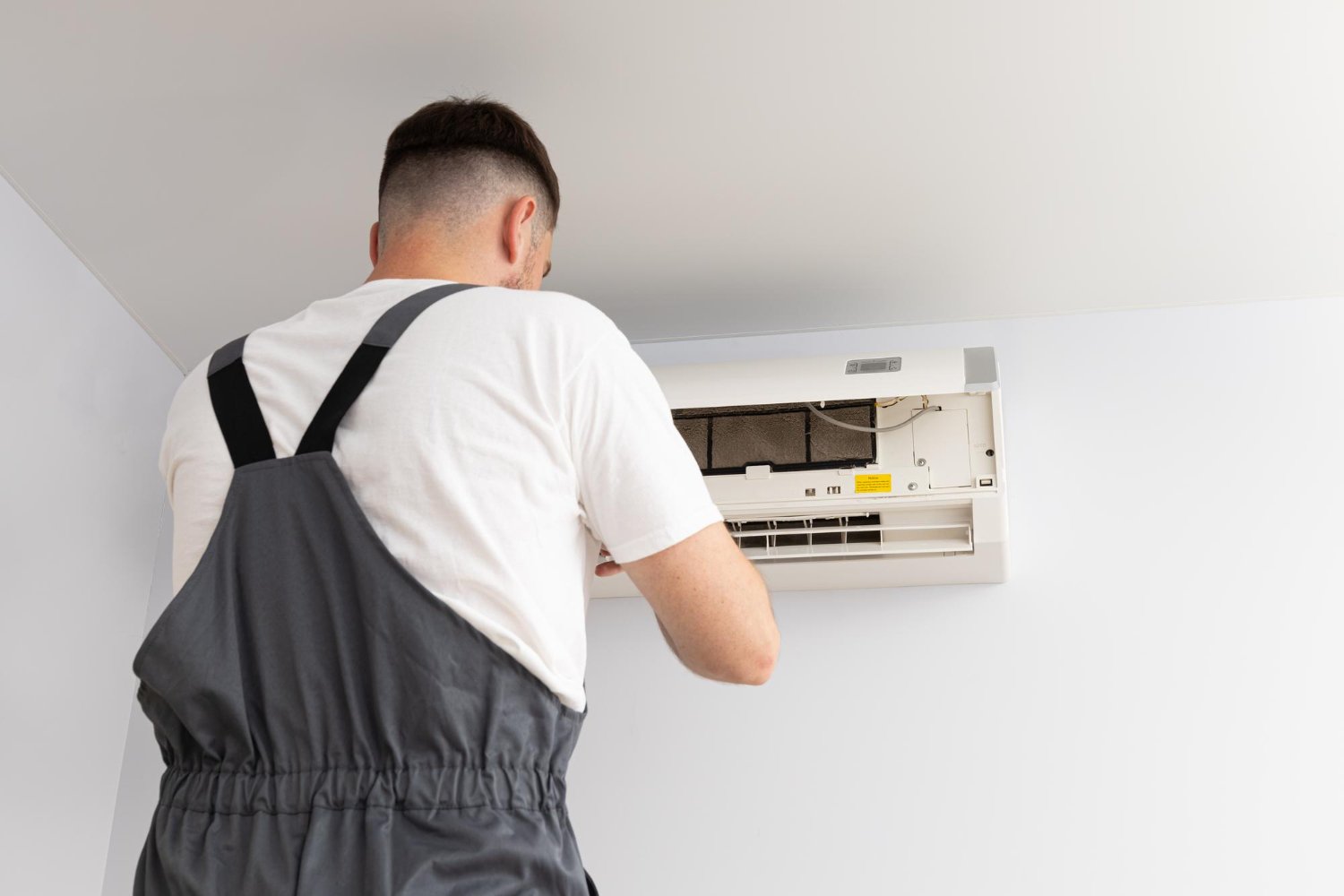
Expert fitting starts with a site survey and quote, followed by wall drilling, refrigerant line installation and testing. Certified engineers guarantee compliance with F-Gas regulations and optimal system performance. Final checks confirm correct airflow, leak-free seals and efficient operation.
How Do Regional Factors Affect Installation Services and Pricing?
Labour rates and demand fluctuate across the UK. London and the South East often incur higher fees, while rural areas may see lower costs but longer lead times. Localised service providers like Tempest AC maintain competitive rates and swift response in your region.
How Can You Maintain Your Air Cooling Unit for Optimal Performance?
Routine maintenance extends lifespan, preserves efficiency, and secures healthy indoor air. Balancing simple DIY tasks with professional servicing keeps systems running at peak capacity.
What Are Essential DIY Maintenance Tips for Homeowners?
- Cleaning or replacing filters monthly to sustain airflow.
- Wiping condenser coils to prevent dirt buildup.
- Ensuring condensate drains remain clear to avoid leaks.
Regular attention reduces energy consumption and prepares your system for seasonal demands.
Why Is Professional AC Servicing Important in the UK?
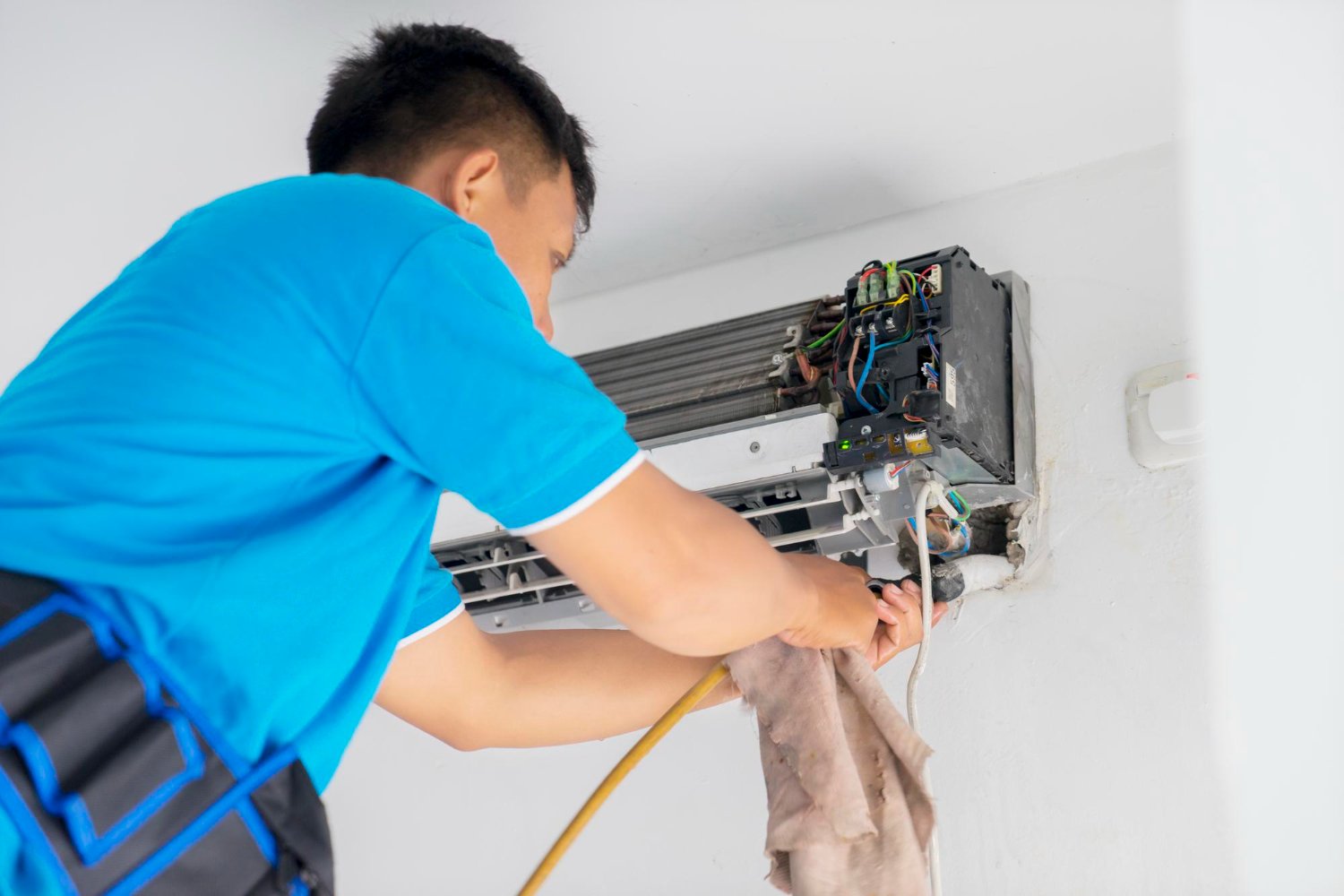
Professional servicing validates warranty terms and meets F-Gas safety requirements. Certified engineers use specialized tools to recharge refrigerant, inspect electrical connections, and test performance under load. Expert care ensures reliability and legal compliance.
How Often Should You Service Your Air Conditioning Unit?
An annual service before peak summer or winter months optimises reliability and efficiency. Split systems particularly benefit from bi-annual inspections—one before cooling season and one ahead of heating operations—in order to maintain dual-function performance.
What Are the Benefits of Using Air Cooling Units in UK Homes?
Modern air cooling units combine targeted temperature control with air purification, humidity regulation and energy savings. Properly selected and maintained systems deliver year-round comfort and health advantages.
How Do Air Cooling Units Improve Indoor Comfort Year-Round?
Dual-function units integrate heat pump technology to both cool and heat interior spaces. This versatility maintains stable temperatures through seasonal shifts and reduces reliance on separate heating systems.
Can Air Cooling Units Help Reduce Energy Bills?
High-efficiency compressors and inverter drives optimise power use by matching output to demand. Many homeowners see a 20–30% reduction in electricity costs compared to conventional heating and cooling methods.
How Do Air Cooling Units Enhance Indoor Air Quality?
Advanced filtration systems trap pollen, mould spores and pollutants. Improved airflow and humidity control minimise allergy triggers and support respiratory health for all occupants.
What Are the Environmental Benefits of Modern Cooling Technologies?
Contemporary refrigerants and inverter compressor designs reduce carbon footprints and noise pollution. Eco-friendly refrigerants like R32 lower global warming potential, aligning home climate control with sustainability goals.
Air cooling units empower UK homeowners to conquer heatwaves, cut energy bills, and enjoy cleaner air all year. By choosing the right type, sizing it correctly, budgeting installation wisely, and maintaining it diligently, you ensure optimal performance and long-term value from your home comfort investment. For tailored advice and certified installation, contact Tempest AC today.