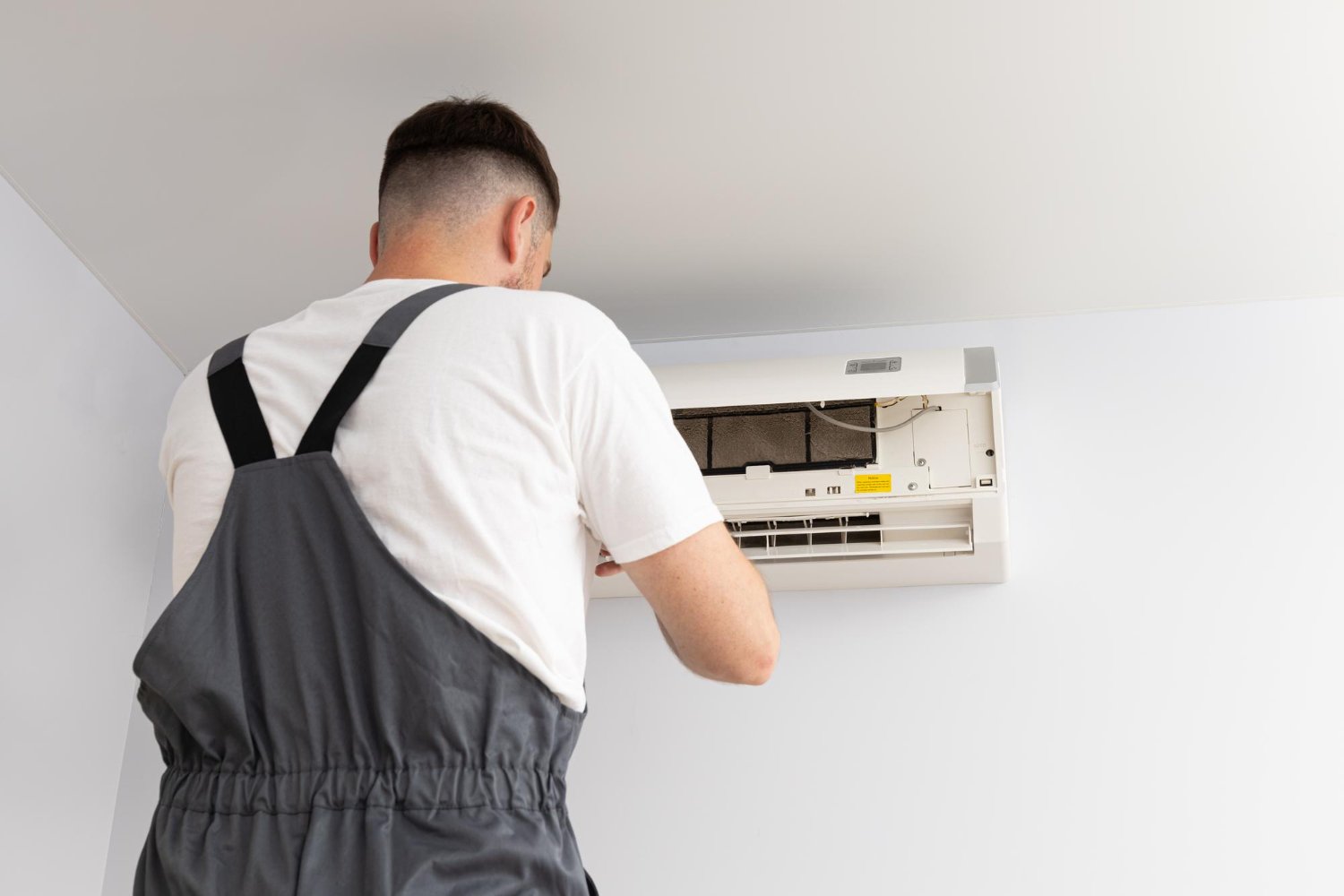


Navigating rising energy expenses and the unpredictable British climate? Your home’s heating, ventilation, and air conditioning (HVAC) systems are crucial for your comfort, indoor air quality, and monthly outgoings. This comprehensive guide offers expert insights into various air conditioning types and their costs, eligibility for heat pump grants, essential boiler repair services, ventilation system upgrades, and strategies for energy-efficient HVAC. You’ll also discover the typical installation process and why Tempest AC’s Gas Safe and F-Gas certified engineers guarantee dependable performance and long-term financial savings.
What Are the Primary Types of Home Air Conditioning Systems Available in the UK?
In the UK, home air conditioning systems generally fall into three main categories: split systems, ducted units, and portable models. These systems work by extracting heat from your indoor air and expelling it outside, thereby enhancing comfort and reducing humidity. For instance, a split system draws warm air across evaporator coils, then circulates the cooled air into your living spaces to maintain a consistent, pleasant temperature throughout the warmer months.
Before we delve into a detailed comparison, take a look at this table outlining their specifications and benefits:
| System Type | Key Feature | Primary Benefit | Operational Mechanism | Ideal Application |
|---|---|---|---|---|
| Split System AC | Individual room temperature control | Targeted comfort where you need it | Refrigerant cycles efficiently absorb indoor heat | Perfect for bedrooms and living areas |
| Ducted Air System | Whole-house air distribution | Uniform temperature throughout your home | A central unit distributes conditioned air via concealed ductwork | Best suited for open-plan living spaces |
| Portable AC Unit | Easy mobility with integrated wheels | No permanent installation required, offering flexibility | Self-contained unit with fans and refrigerant system | Ideal for renters or temporary cooling needs |
This comparison clearly illustrates how each system configuration caters to different homeowner requirements, leading us to explore split versus ducted systems in greater detail.
How Do Split System and Ducted Air Conditioning Units Differ?
Split systems consist of a compact indoor unit and an external compressor, allowing for individual zone control with minimal ductwork. Ducted air conditioning, conversely, features a discreet central unit that distributes conditioned air through concealed ductwork to multiple rooms. Split systems excel at providing room-by-room comfort, while ducted systems offer a cleaner aesthetic by hiding all components from view.
The zone control offered by split systems enhances efficiency by only cooling occupied areas, whereas ducted installations typically provide quieter operation and more even airflow distribution. Understanding this distinction is key to weighing the energy-saving advantages against the installation complexity.
What Are the Advantages of Energy-Efficient Air Conditioning Models?
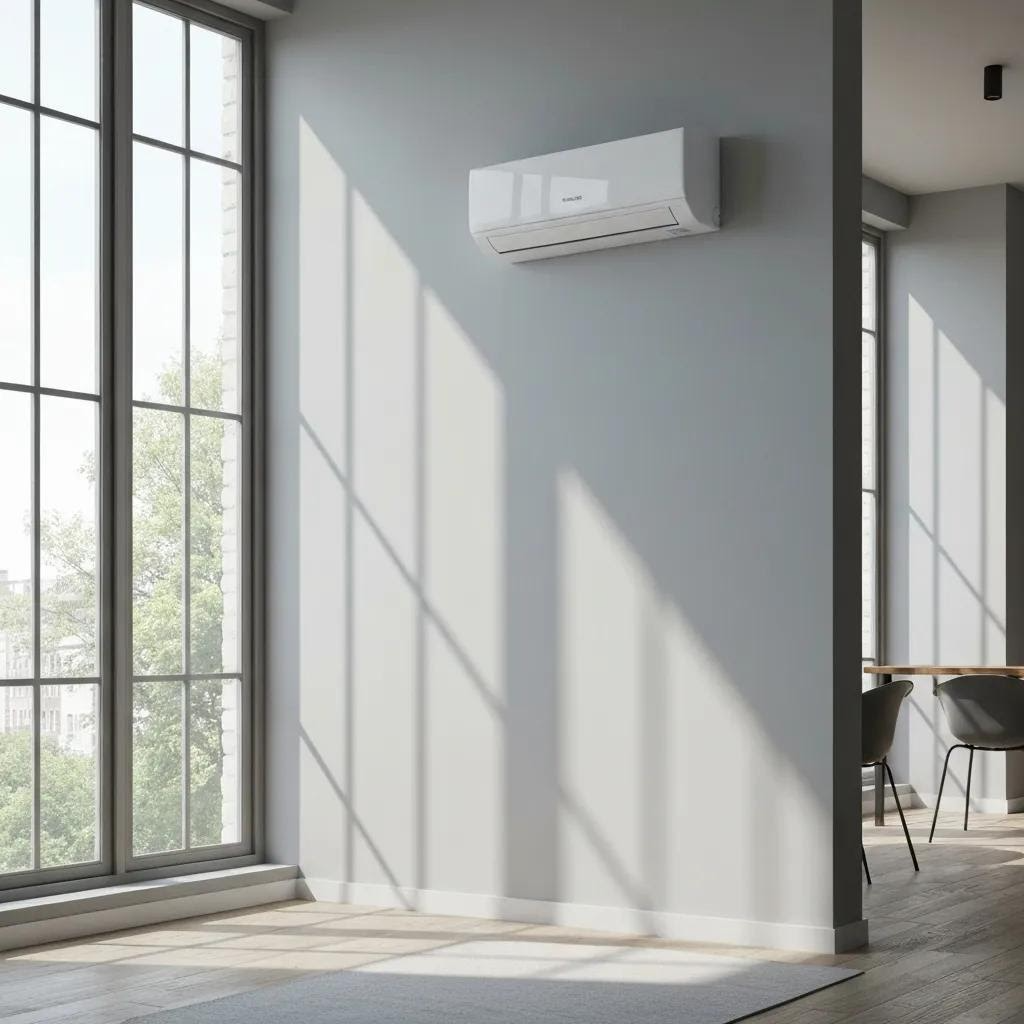
High-efficiency air conditioners, rated by their Seasonal Energy Efficiency Ratio (SEER) and Energy Efficiency Ratio (EER), not only improve your comfort but also significantly reduce running costs. Modern inverter-driven compressors intelligently adjust their output to maintain precise temperatures, minimising energy spikes and reducing operational noise.
The key benefits include:
- Enhanced comfort through highly accurate temperature regulation.
- Substantial savings on energy bills, potentially up to 30 percent compared to non-inverter models.
- A reduced environmental footprint due to lower carbon emissions.
- Quieter operation, ensuring a more peaceful living environment.
These compelling advantages highlight why investing in energy-efficient models offers excellent returns in both comfort and long-term financial savings.
What is the Typical Cost of Air Conditioning Installation in the UK?
The cost for air conditioning installation in the UK typically ranges from £2,000 to £4,500 for a single split system, and between £5,000 to £10,000 for a multi-zone ducted solution. These ps can vary based on the system’s capacity, the complexity of the installation, and your property’s specific layout. Factors such as labour charges, the type of refrigerant required, necessary electrical work, and the inclusion of optional controls like smart thermostats all influence the final price.
Checkatrade, UK Air Conditioning Installation Cost (2025)
Air Conditioning Installation Costs in the UK
Air conditioning installation in the UK typically ranges from £2,000 to £4,500 for a single split system and £5,000 to £10,000 for a multi-zone ducted solution, depending on capacity, complexity and property layout. Labour charges, required refrigerant, electrical work and optional controls such as smart thermostats all influence final pricing.
Key cost considerations include:
- The number of indoor units required.
- Any necessary electrical system upgrades.
- Accessibility for installing pipework and ducting.
- The specific brand and model of the air conditioning equipment chosen.
Understanding these variables empowers homeowners to budget accurately and select the most suitable system for their individual needs.
What Are Essential Air Conditioning Maintenance Tips for UK Homes?
Regular maintenance is vital for preserving the efficiency and extending the lifespan of your air conditioning system by preventing refrigerant leaks, filter blockages, and mechanical wear. A thorough annual service should encompass coil cleaning, refrigerant level checks, and airflow assessments.
Follow these essential steps to ensure your system operates at peak performance:
- Clean or replace air filters every 1–3 months.
- Inspect outdoor units for any debris and ensure airflow paths are clear.
- Check condensate drains for blockages to prevent potential water damage.
- Schedule an annual service with F-Gas certified engineers.
Proper upkeep not only sustains optimal cooling performance but also lays the groundwork for efficient heating when utilising reversible heat-pump systems.
How Do Heat Pump Grants Operate in the UK and Who Qualifies?
Heat pump grants in the UK serve as a valuable incentive to encourage the adoption of low-carbon heating solutions by helping to offset installation costs, making renewable options more accessible. The Boiler Upgrade Scheme (BUS) provides grants of £7,500 for eligible homes installing air source and ground source heat pumps, significantly reducing the initial investment and promoting greater energy efficiency.
GOV.UK, Boiler Upgrade Scheme (2025)
Heat Pump Grants in the UK
The Boiler Upgrade Scheme (BUS) offers grants of £7,500 for air source and ground source heat pumps in eligible homes, reducing upfront investment and promoting energy efficiency. Eligibility revolves around property type, existing heating system and income criteria, guiding homeowners toward sustainable solutions that cut energy bills.
Eligibility criteria typically focus on property type, the existing heating system in place, and specific income thresholds, guiding homeowners towards sustainable solutions that can lead to reduced energy bills.
What is the Boiler Upgrade Scheme and How Does It Support Heat Pump Installation?
The Boiler Upgrade Scheme offers homeowners a direct grant to facilitate the replacement of traditional gas boilers with modern, low-carbon heat pumps. The application process is streamlined through MCS-registered installers, covering a portion of the installation and equipment costs to ensure a smooth transition to renewable heating.
By reducing the initial capital outlay, the BUS actively accelerates the adoption of air source and ground source heat pump technology, contributing to the UK’s ambitious net-zero targets.
What Types of Heat Pumps Are Eligible for UK Grants?
The types of heat pumps that qualify for grants include:
- Air Source Heat Pumps (ASHP), which efficiently extract warmth from the ambient outdoor air.
- Ground Source Heat Pumps (GSHP), which harness the stable thermal energy found beneath the earth’s surface.
- Water Source variants, suitable for properties located near natural or artificial bodies of water.
All systems must meet specific minimum Coefficient of Performance (COP) standards and be installed by professionals certified under the MCS scheme.
How Can Homeowners Apply for Heat Pump Grants?
The application process for heat pump grants typically involves four key steps:
- Confirm your property’s eligibility and assess your current heating system.
- Select an MCS-registered installer, such as Tempest AC.
- Submit your application, including proof of purchase and a detailed installation plan.
- Receive the grant payment upon successful completion and certification of the installation.
This structured process is designed to minimise financial risk for homeowners and establish a robust foundation for efficient, low-carbon heating.
What Are the Energy and Cost Savings Associated with Installing Heat Pumps?
Heat pumps typically achieve COP values ranging from 3 to 4, meaning they generate three to four kilowatts of heat for every kilowatt of electricity consumed. The typical savings homeowners can expect include:
- A reduction in heating bills of up to 40 percent.
- A decrease in carbon emissions by as much as 70 percent compared to conventional gas boilers.
- Enhanced year-round comfort thanks to their reversible heating and cooling capabilities.
These ps clearly demonstrate the significant economic and environmental advantages that align perfectly with modern homeowner priorities.
What Are the Common Boiler Repair Services Available in the UK?

Boiler repair services are designed to address faults in combi, system, and regular boilers, restoring safe and efficient central heating and hot water. Our Gas Safe registered engineers expertly diagnose issues such as pressure loss, ignition failures, and leaks, performing precise repairs or replacing faulty components.
Effective boiler servicing not only averts potential emergencies but also sustains reliable performance throughout the colder seasons.
How Often Should Boilers Be Serviced and Maintained?
It is recommended that boilers undergo an annual service to verify combustion efficiency, inspect all seals, and clean critical components. Regular servicing is essential for maintaining warranty validity and ensuring safe operation by identifying potential issues like corrosion, blockages, or pressure irregularities before they escalate.
Consistent servicing contributes to the longevity of your system and helps keep heating bills under control.
What Are the Signs That Indicate You Need Emergency Boiler Repairs?
Warning signs that suggest your boiler may require urgent attention include:
- An unexplained and persistent loss of system pressure.
- Unusual noises emanating from the boiler, such as banging or whistling sounds.
- Recurring flame failure or issues with the pilot light.
- Visible signs of leaks around the heat exchanger or associated pipework.
Prompt intervention by Gas Safe registered engineers is crucial to prevent further damage and minimise operational downtime.
Which Boiler Types Are Most Commonly Found in UK Homes?
The most common types of boilers found in UK homes are:
- Combi Boilers – providing instant hot water without the need for storage tanks.
- System Boilers – designed to supply hot water to a storage cylinder.
- Regular Boilers – the traditional type, featuring separate feed and expansion tanks.
The specific type of boiler you have can influence the complexity of repairs and its overall energy efficiency.
Why Should You Choose Gas Safe Certified Engineers for Boiler Repairs?
Gas Safe certification is a guarantee that engineers have undergone rigorous training to meet safety standards, are legally authorised to work with combustible fuels, and comply with all UK regulations. This crucial qualification provides homeowners with invaluable peace of mind, ensuring that all repairs are conducted safely, effectively, and in full compliance with legal requirements.
REFCOM, F-Gas Certification Requirements (2024)
Gas Safe Certification
Gas Safe certification guarantees that engineers are trained to safe standards, authorised to handle combustible fuels and compliant with UK regulations. This qualification provides homeowners with peace of mind, knowing repairs uphold safety, performance and legal requirements.
Opting for certified professionals ensures reliable service and significantly reduces potential liability.
How Do Residential Ventilation Systems Enhance Indoor Air Quality in UK Homes?
Residential ventilation systems, such as Mechanical Ventilation with Heat Recovery (MVHR) and Positive Input Ventilation (PIV), effectively exchange stale, humid indoor air for fresh outdoor air. This process significantly improves indoor air quality and helps prevent damp-related issues. By recovering heat during the air exchange process, MVHR systems maintain warmth while actively controlling mould growth.
Enhanced airflow effectively reduces condensation and allergens, contributing to a healthier and more comfortable living environment.
What Are MVHR and PIV Systems, and What Are Their Benefits?
MVHR units extract warm, stale air and transfer its thermal energy to incoming fresh air via a sophisticated heat exchanger, ensuring energy-efficient ventilation. PIV systems, on the other hand, gently pressurise loft spaces to introduce cleaner air into the main living areas.
VENTI Group, Why is an MVHR Preferred to a PIV with Heat Recovery? (2025)
MVHR and PIV Systems
MVHR units extract warm, stale air and transfer its heat to incoming fresh air via a heat exchanger, achieving energy-efficient ventilation. PIV systems gently pressurise loft spaces to push cleaner air into living areas.
The key benefits of these systems include:
- A continuous supply of fresh, clean air.
- Impressive heat recovery rates of up to 90 percent with MVHR systems.
- Effective prevention of condensation and mould formation.
- Reduced heating demand due to the retention of warmth.
These features firmly establish ventilation upgrades as an essential component for modern, energy-efficient homes.
How Can Ventilation Systems Effectively Prevent Condensation and Mould?
By maintaining a balanced level of humidity and ensuring consistent airflow, ventilation systems keep surfaces dry, thereby inhibiting the settlement and growth of mould spores. The continuous extraction of damp air from areas like kitchens, bathrooms, and utility rooms prevents the accumulation of water vapour, safeguarding the building’s fabric.
This proactive approach is crucial for maintaining indoor comfort and preserving the structural integrity of your home.
What Are the Installation Options for Extractor Fans in UK Homes?
Extractor fans can be installed either on the ceiling or on the wall in areas prone to high moisture levels. Options include pass-over fans specifically designed for kitchens and humidity-sensing models that automatically adjust their speed based on moisture levels. Professional installers ensure correct duct routing and full compliance with Part F of the UK Building Regulations.
Selecting the appropriate fan model and ensuring correct placement maximises moisture control and contributes to overall energy efficiency.
How Do Ventilation Systems Comply with UK Building Regulations?
Ventilation installations must strictly adhere to Part F requirements concerning airflow rates and heat recovery efficiency. MVHR units necessitate commissioning tests, accessible filter locations, and comprehensive maintenance plans. The performance of ductwork and fans must align with specified flow rates to guarantee compliance with regulations and maintain high indoor air quality standards.
Adherence to these regulations is vital for protecting occupant health and avoiding potential enforcement actions.
How Can Energy-Efficient HVAC Systems Reduce Home Energy Bills in the UK?
Energy-efficient HVAC systems significantly lower energy bills by optimising performance through higher SEER (for cooling) and SCOP (for heating) ratings, the integration of smart controls, and consistent regular maintenance. Smart thermostats learn household occupancy patterns to minimise wasted heating or cooling energy and seamlessly integrate with renewable energy sources.
This synergy between advanced technology and diligent service drives lasting savings and enhances overall home comfort.
What Are the Key Energy Efficiency Ratings for HVAC Systems?
White Mechanical, EER vs. SEER: How Do They Differ from Each Other? (2020)
Energy Efficiency Ratings for HVAC Systems
Systems are graded by: SEER (Seasonal Energy Efficiency Ratio) for cooling performance, SCOP (Seasonal Coefficient of Performance) for heating efficiency, and ErP Labels (A+++ to D) that summarise overall energy impact. Higher ratings translate directly into reduced electricity consumption and lower bills.
How Do Smart Thermostats Integrate with Heating and Cooling Systems?
Smart thermostats connect wirelessly via Wi-Fi to your HVAC units, learning your occupancy patterns, automatically adjusting temperature setpoints, and enabling remote control through dedicated mobile apps. Integration with voice assistants and energy-saving scheduling features ensures that comfort is provided precisely when and where it’s needed.
What Are the Environmental Benefits of Upgrading to Energy-Efficient HVAC?
Upgraded systems contribute to environmental protection by consuming less energy, thereby reducing carbon emissions. They also facilitate the integration of renewable energy sources and lessen reliance on fossil fuels. By adopting heat pumps and high-efficiency air conditioning, homeowners actively contribute to achieving net-zero targets and improve local air quality through reduced pollution.
How Does Regular HVAC Maintenance Improve System Efficiency?
Routine cleaning of coils, filters, and fans is essential for preserving heat exchange efficiency, preventing undue strain on the compressor, and maintaining optimal airflow. A system that receives regular maintenance operates more smoothly, consumes less energy, and avoids unexpected breakdowns, thereby safeguarding both your comfort and operating costs.
Proper maintenance is fundamental to achieving all aspects of energy-efficient HVAC performance.
What Is the Typical Installation Process for Heating, Ventilation, and Air Conditioning Systems?
The installation process for residential HVAC systems follows a structured sequence, beginning with an initial survey, followed by design specification, equipment procurement, the installation itself, system commissioning, and finally, a handover. This methodical approach ensures safety, regulatory compliance, and optimal system performance. Clear communication at every stage ensures homeowners are fully informed about the process and expected timelines.
This systematic approach forms the bedrock of a successful HVAC upgrade project.
What Steps Are Involved in Air Conditioning Installation?
The typical air conditioning installation process includes:
- A thorough site survey to accurately assess cooling load requirements.
- Careful selection of the system type and optimal positioning of units.
- Installation of indoor and outdoor units, including the refrigerant piping.
- Precise electrical connections and commissioning of the refrigerant circuit.
- Comprehensive performance testing and user training on system operation.
Completing these steps with precision is crucial for ensuring optimal cooling capacity and long-term system durability.
How Is a Heat Pump Installed in a Residential Property?
The installation of a heat pump involves several key stages:
- A survey of the ground or air source to determine site suitability.
- Ground loop drilling (for GSHP) or the placement of the outdoor unit (for ASHP).
- Integration with the property’s existing heating distribution system, such as underfloor heating pipes or radiators.
- Connection of the electrical supply and control wiring.
- System commissioning and verification of its efficiency.
This tailored procedure guarantees efficient renewable heating with reliable, consistent performance.
What Should Homeowners Expect During Boiler Installation or Repair?
When undertaking boiler installation or repair work, you can expect the following:
- Safe isolation of existing gas and water supplies.
- Careful removal of old equipment and preparation of mounting surfaces.
- Precise installation of the new boiler, flue, and associated pipework.
- Thorough pressure testing, safety checks, and configuration of controls.
- A final handover, including operational guidance and all necessary documentation.
Understanding these steps fosters confidence and ensures a smooth project delivery.
How Long Does Ventilation System Installation Typically Take?
A standard MVHR or PIV installation usually takes between 1 to 3 days, depending on the size of the property, the complexity of the ductwork, and the specific commissioning requirements. Simple extractor fan replacements can often be completed within a few hours. Early and clear scheduling helps minimise disruption and ensures a swift improvement in your home’s air quality.
Efficient project timelines allow homeowners to plan renovations with minimal inconvenience.
Why Choose Tempest AC for Your Home Heating, Ventilation, and Air Conditioning Needs?
Tempest AC combines Gas Safe, F-Gas, and MCS certifications with extensive industry experience to provide comprehensive end-to-end HVAC services that maximise both comfort and efficiency. Our highly skilled engineers utilise advanced diagnostic tools and adhere to stringent quality control measures, ensuring every installation and repair meets the highest standards of safety and performance.
This unwavering commitment to excellence builds lasting trust and underpins our strong reputation for exceptional customer satisfaction.
What Certifications and Expertise Do Tempest AC Engineers Hold?
Our dedicated team holds the following essential qualifications:
- Gas Safe registration, authorising us for safe work on boilers and gas appliances.
- F-Gas certification, demonstrating our competence in handling refrigerants.
- MCS accreditation, signifying our expertise in renewable heat pump installations.
FGas Register, F-Gas Certification (2024)
F-Gas Certification
F-Gas certification is a legal must-have in the UK and Europe for engineers working with Fluorinated Gases. Regulations aim at clearing out harmful F Gases to ensure that the environment has better gases that are not harmful.NICEIC, MCS Approved Contractor Scheme: apply for Certification (2025)
MCS Accreditation
MCS (Microgeneration Certification Scheme) is a UK-based certification that ensures renewable energy products and installers meet high standards of quality, safety, and performance. Choosing an MCS-certified installer guarantees compliance with industry regulations and eligibility for financial incentives like the Smart Export Guarantee (SEG).
These credentials guarantee full compliance with UK regulations and adherence to industry best practices.
How Does Tempest AC Ensure Customer Satisfaction and Quality Service?
We are committed to providing:
- Transparent, no-obligation surveys and detailed quotations.
- Clear project timelines with regular progress updates.
- Comprehensive service reports and bespoke maintenance plans.
- A 12-month workmanship guarantee, supported by manufacturer warranties.
Our focus on clear communication and unwavering reliability fosters long-term confidence among our homeowners.
What Case Studies Demonstrate Tempest AC’s Success in HVAC Installations?
Our recent successful projects include:
- A London residence achieving a remarkable 35 percent annual energy saving following an ASHP installation.
- A family in Kent experiencing consistent, comfortable temperatures thanks to a new ducted cooling solution.
- A bungalow in Sussex now free from condensation issues after a comprehensive MVHR upgrade.
These tangible outcomes effectively showcase our expertise and the measurable value we deliver.
How Can Homeowners Get a Free Quote or Book a Survey with Tempest AC?
Homeowners can easily request a complimentary survey and quote by contacting our office directly or by completing our straightforward online form. Our team will promptly schedule a convenient visit, conduct a thorough assessment of your needs, and provide tailored recommendations – with absolutely no obligation.
Experiencing issues with outdated or inefficient heating and cooling systems? Get in touch with Tempest AC today for a free survey and discover how our certified engineers can transform your home comfort while significantly reducing your energy bills.